Archaeological Museum Itinerary
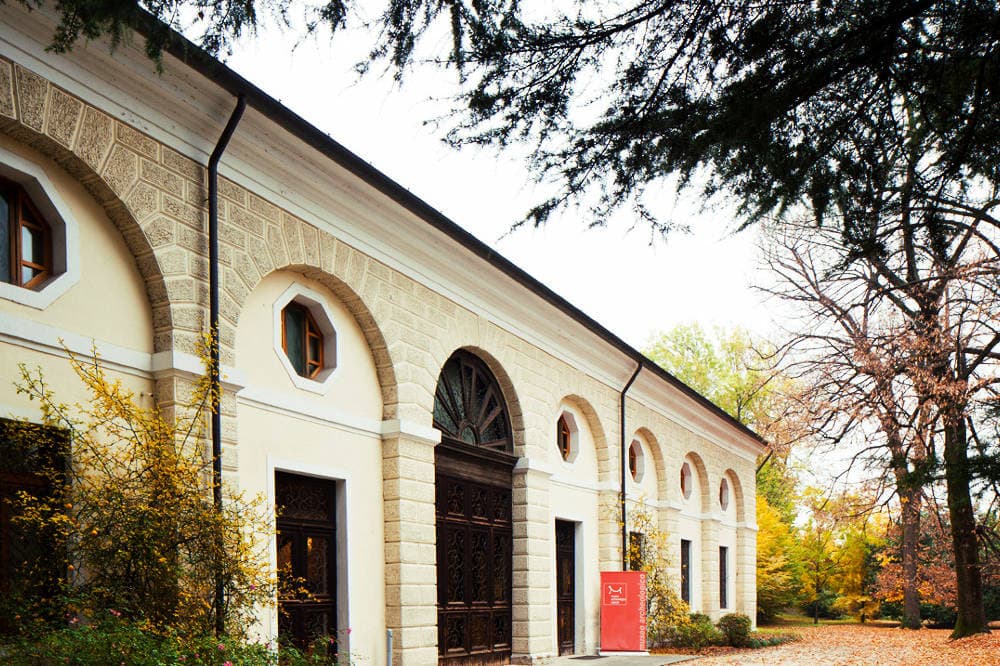
This itinerary presents one of the cultural places managed by the Oderzo Cultura Foundation, i.e. the permanent collection preserved at the Eno Bellis Archaeological Museum.
The Oderzo Cultura Foundation is a non-profit organization. The Municipality of Oderzo, a founding member, joins other public and private entities in pursuing the exclusive purpose of enhancing and protecting the cultural heritage of the Oderzo area. The Foundation has been entrusted with a rich cultural heritage, which includes a substantial book collection held at the Civic Library and three permanent collections: archaeological, housed at the "Eno Bellis" Museum in Oderzo, which now houses the city's archaeological collections, spanning from pre-Roman times to late antiquity; painting, exhibited at Palazzo Foscolo in the Alberto Martini Art Gallery and in the Gallery of Modern and Contemporary Art in Oderzo, dedicated to the most significant local artists; and glass sculptures from the collection donated by Attilia Zava to the "Museo del Vetro d'artista" (Artist's Glass Museum), originating from the "Fucina degli Angeli" founded by Egidio Costantini.
Via Giuseppe Garibaldi, 80, 31046 Oderzo TV, ItaliaThis itinerary presents one of the cultural places managed by the Oderzo Cultura Foundation, i.e. the permanent collection preserved at the Eno Bellis Archaeological Museum.
This itinerary focuses on the artist Gina Roma, twenty years after her death, who returns with her paintings to Palazzo Foscolo, the same space where an anthological exhibition of her work was held in 1992
This itinerary offers an in-depth look at the temporary exhibition of the Pinacoteca Alberto Martini on the top floor of Palazzo Foscolo.
This itinerary is dedicated to the Attilia Zava Collection - Artist's Glass Museum, acquired in 2011 by the Oderzo Cultura Foundation following a donation from its owner
An extraordinary dialogue between two protagonists of the twentieth-century avant-garde: the Pinacoteca Alberto Martini hosts the ideal encounter between Alberto Martini and Salvador Dalí through over seventy works inspired by Dante's Divine Comedy. Martini's refined ink drawings — expressionistic, monochromatic and visionary — are set against Dalí's vibrant surrealist illustrations, created between 1950 and 1954 on commission from the Italian Government. A journey between black and white and polychromy, between nightmare and dream, that reveals the profound affinities of two great interpreters of Dante's poem.