Museo Paleontologico dell'Astigiano e del Monferrato
Information
Permanent exhibition itinerary
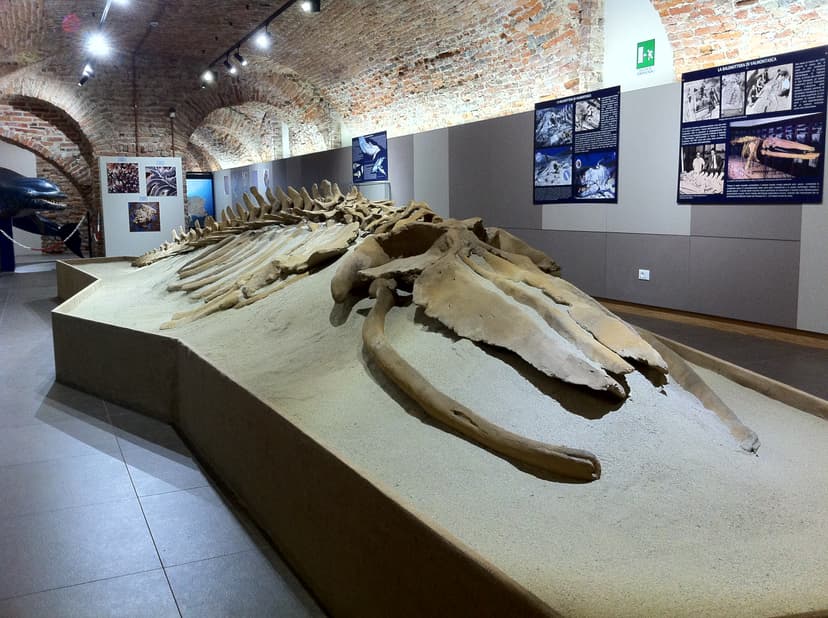
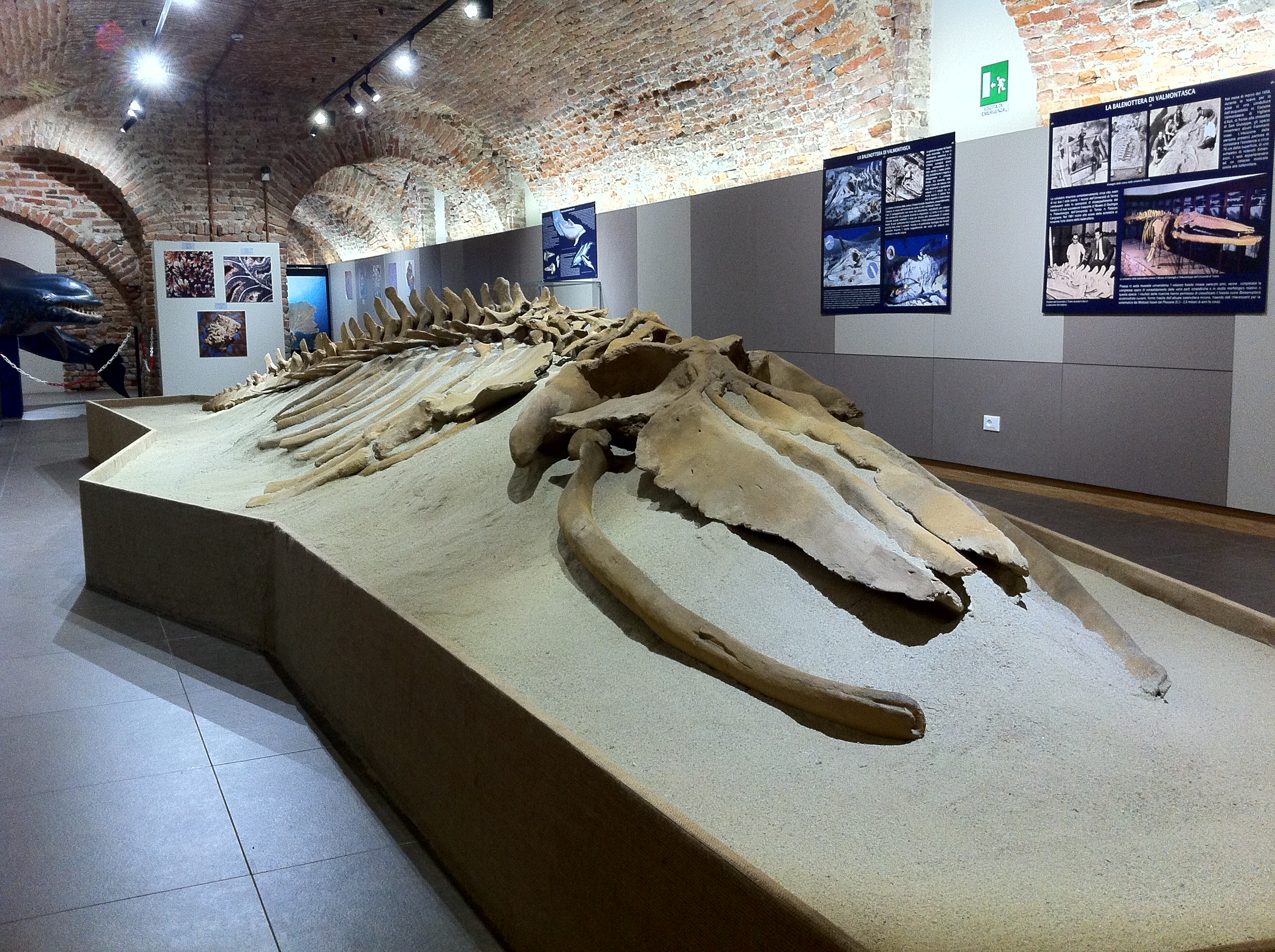
This itinerary offers an initial route that covers general and territorial paleontology, describing the geological periods between the Miocene and the Pliocene. It is followed by a path displaying fossil skeletal remains of Asti cetaceans, both mysticetes (whales) and odontocetes (dolphins), dating back to the Pliocene epoch (between 5 and 2 million years ago) when the entire Po Valley was occupied by the sea.
Temporary exhibition itinerary
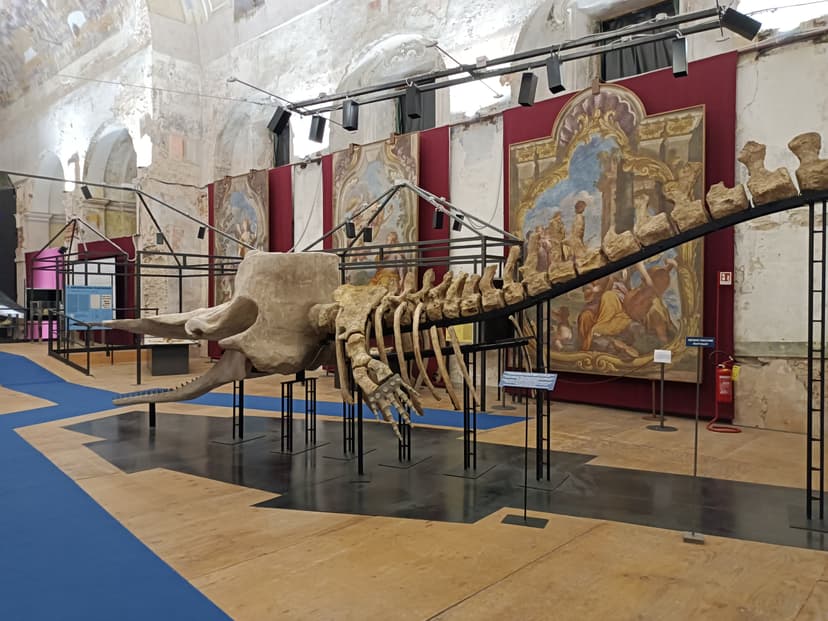
This itinerary is dedicated to the temporary exhibition "The Leviathan and the Sirens", located on the ground floor of the former Church of Jesus
The Territorial Paleontological Museum of Asti (Fossil Museum) is managed by the Asti Paleontological Park Authority and is set up in the basement of Palazzo del Michelerio, an ancient building erected in the mid-1500s, in Asti. The Museum houses a collection consisting of cetaceans and more than 15,000 fossil mollusks, which are state property and mainly originate from the Asti area.
Opening hours
Open Mon-Fri 11am-5pm and Sat-Sun 11am-6pm;
Closed on Tuesdays, Christmas, Boxing Day, January 1st, Easter, November 1st
Tickets
Full price: €7.00 (museum and exhibition)
Reduced price for over 65s: €6.00
Reduced price for children 6-14 years: €5.00
Free for children under 6
Guided tour €3.00 per person
Itineraries
Permanent exhibition itinerary
This itinerary offers an initial route that covers general and territorial paleontology, describing the geological periods between the Miocene and the Pliocene. It is followed by a path displaying fossil skeletal remains of Asti cetaceans, both mysticetes (whales) and odontocetes (dolphins), dating back to the Pliocene epoch (between 5 and 2 million years ago) when the entire Po Valley was occupied by the sea.
Temporary exhibition itinerary
This itinerary is dedicated to the temporary exhibition "The Leviathan and the Sirens", located on the ground floor of the former Church of Jesus